5 Core Features of the Aqara Smart Home
A modern smart home is dependable on day one and just as consistent years later. Aqara’s local first design, clear device roles, and privacy by default approach make that possible.
1. When the Internet Goes Down
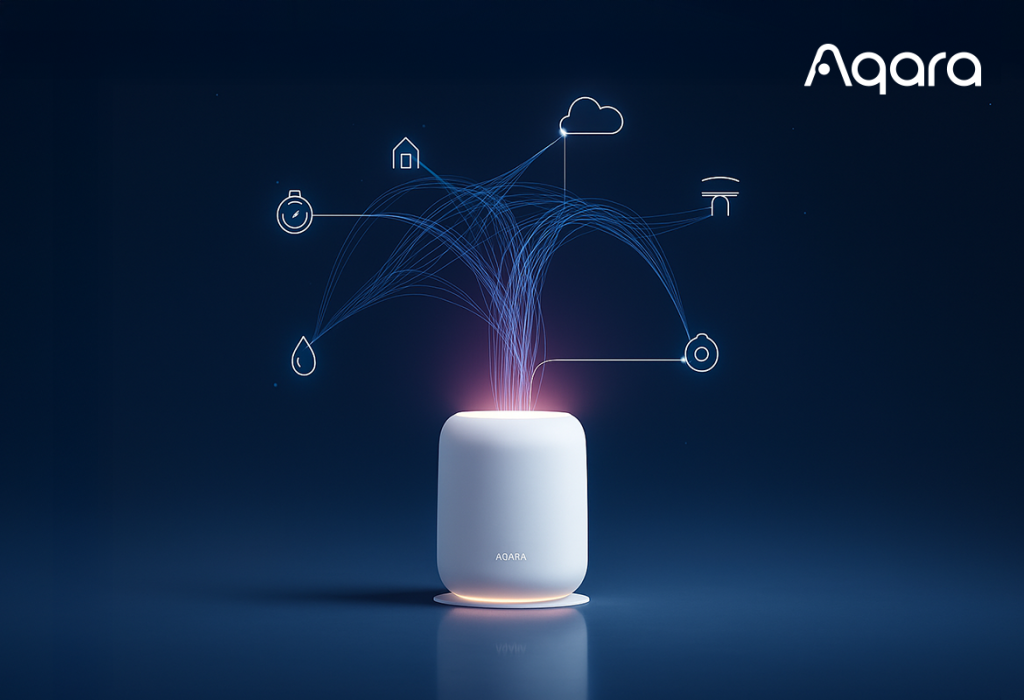
Your home doesn’t. Local automations continue to run through the hub over Zigbee or Thread. Motion still turns on hallway lights, contact sensors still trigger scenes, and night modes still adjust brightness. These routines execute inside your home, not in the cloud.
• What keeps working: local scenes, sensor based triggers, lighting and comfort routines processed by the hub
• What pauses: cloud based routines that use outside data (e.g., weather driven heating) and full remote control from the app while you’re away
• Why it matters: most Aqara routines are local, so day to day behavior remains intact during outages
2. Indoor vs. Outdoor Use
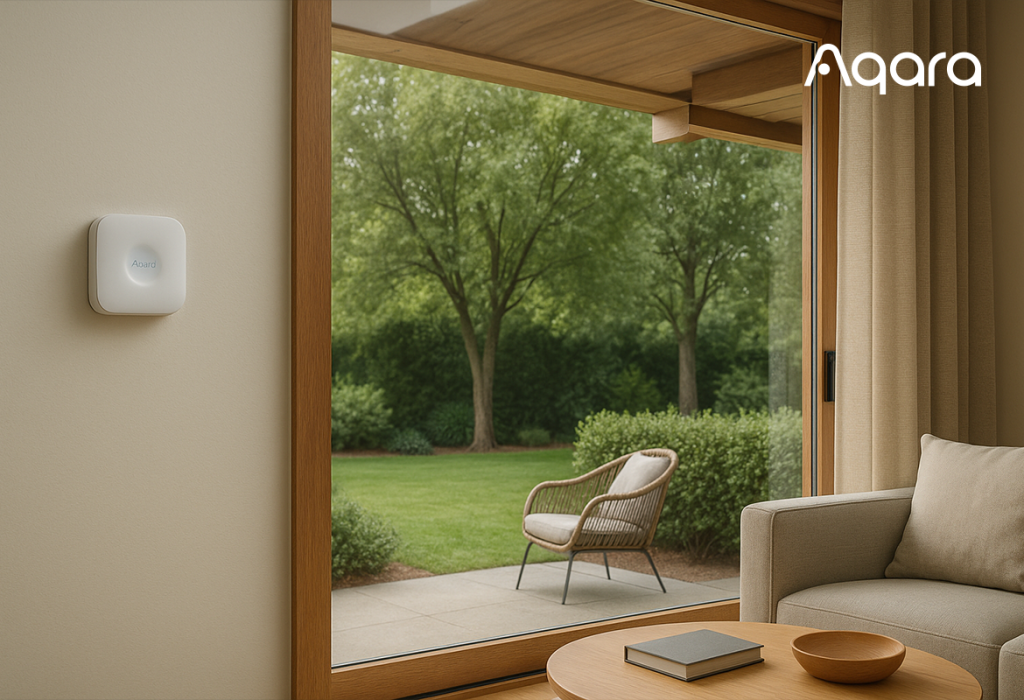
Placement drives longevity and reliability. Most Aqara devices are designed for indoor environments and shouldn’t be exposed directly to rain, snow, or harsh temperature swings. Install them in sheltered locations for stable, long term operation.
• Indoor by design: the majority of sensors and switches
• Outdoor exceptions: devices explicitly rated for outdoors, such as the Aqara Camera G5
• Always check: operating temperature and humidity ranges in the product manual to preserve stability and warranty
3. Do You Need a Hub?
It depends on the protocol, and the hub still strengthens the system. Zigbee devices—motion, leak, and temperature sensors—require a hub. That’s how they achieve long battery life, robust mesh coverage, and consistent performance. Wi Fi devices like cameras can connect directly to the Aqara Home app.
• Zigbee: hub required (mesh reliability, battery efficiency)
• Wi Fi: can run without a hub (direct app connection)
• Added value of a hub: richer local automations, cross protocol scenes, more logic kept inside the home, higher resilience
4. Camera Privacy and Data Protection
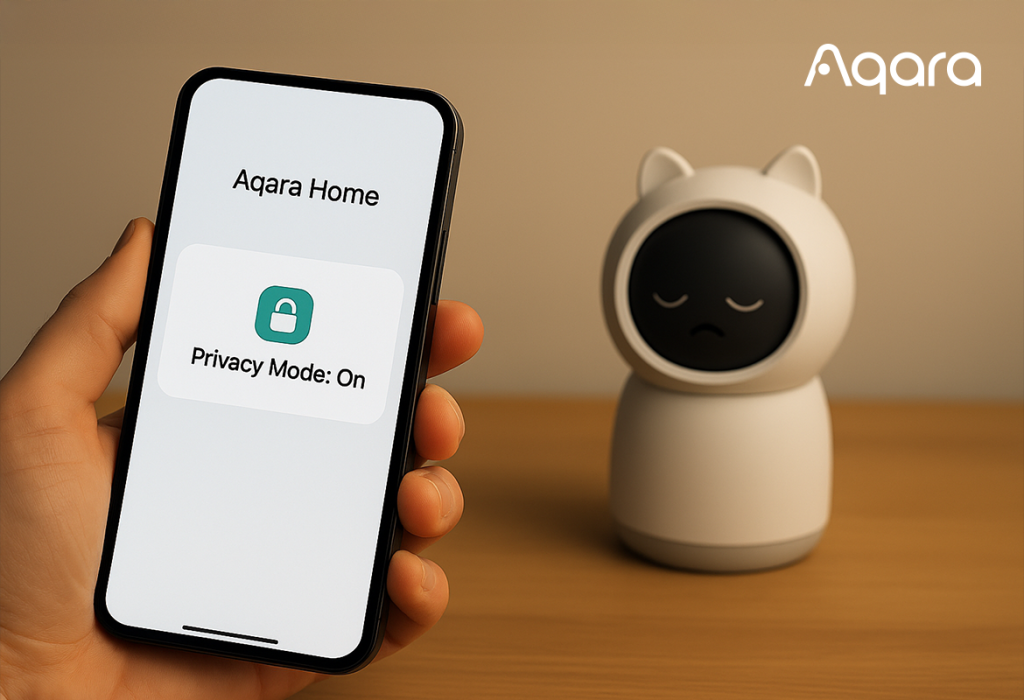
Security and control are built in. Video is encrypted in transit, and storage follows international security standards. By default, detection runs locally on the device, and footage doesn’t go to the cloud without your explicit consent.
• Encryption: secure transport and standards based storage
• Local intelligence: on device analysis reduces exposure
• Privacy modes: disable recording, close the lens (where supported), or automate privacy—e.g., “I’m Home” puts Aqara E1 in privacy mode and stops streaming
5. Compatibility With Other Platforms
Security and control are built in. Video is encrypted in transit, and storage follows international security standards. By default, detection runs locally on the device, and footage doesn’t go to the cloud without your explicit consent.
• Encryption: secure transport and standards based storage
• Local intelligence: on device analysis reduces exposure
• Privacy modes: disable recording, close the lens (where supported), or automate privacy—e.g., “I’m Home” puts Aqara E1 in privacy mode and stops streaming
Key Takeaways
Aqara is built for reliable daily use:
• Local automations keep the home responsive, even if the internet drops.
• Indoor gear belongs indoors; outdoor rated devices handle the elements.
• Zigbee needs a hub; Wi Fi can skip it—yet the hub ties everything together and boosts resilience.
• Cameras ship with encryption, local processing, and straightforward privacy controls.
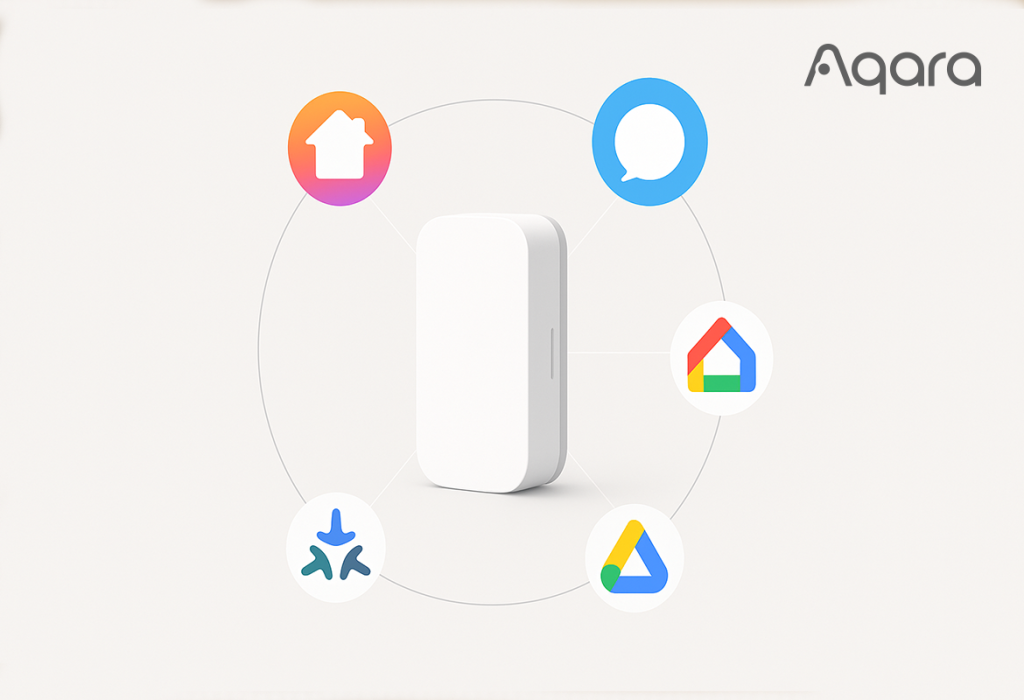
• Broad platform compatibility makes mixed ecosystems practical and future ready.
Build on these five principles and you’ll have a smart home that’s fast, predictable, and respectful of your privacy—from day one and for years to come.