HDL vs. Aqara: Which Smart Home System is Right for Your Home?
Choosing the right smart home system can feel overwhelming. With a growing number of options, understanding the core differences between leading brands is crucial for making an informed decision. Now we’re looking at two prominent players in the smart home arena: HDL and Aqara. Both offer compelling solutions, but they cater to different needs and scales of smart living.
HDL: Integrated, Professional-Grade Solution
HDL is renowned for its comprehensive, wired, and highly customizable building automation systems. It’s often chosen for larger projects, luxury homes, commercial spaces, and situations where deep integration and robust, centralized control are paramount.
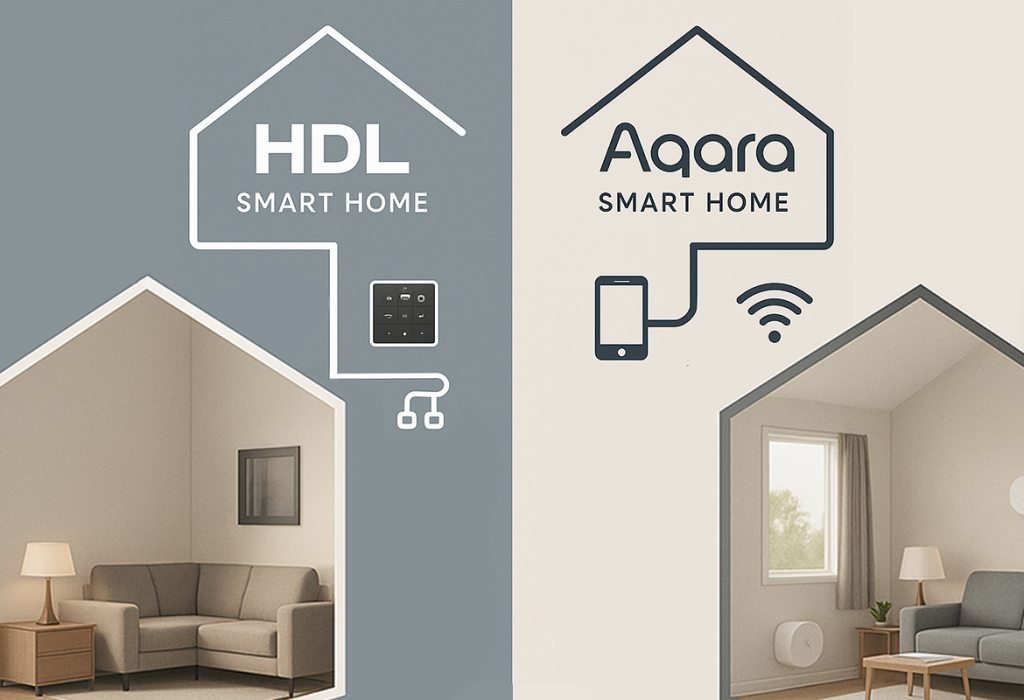
• Wired Reliability: HDL systems primarily rely on wired connections (like Buspro), ensuring unparalleled stability, speed, and security. This makes them ideal for new constructions or major renovations where cabling can be planned and installed from the ground up.
• Deep Customization: HDL offers extensive customization options, allowing for complex scenarios, bespoke interfaces, and integration with a vast array of third-party systems (HVAC, lighting, security, entertainment). This level of flexibility requires professional design and installation.
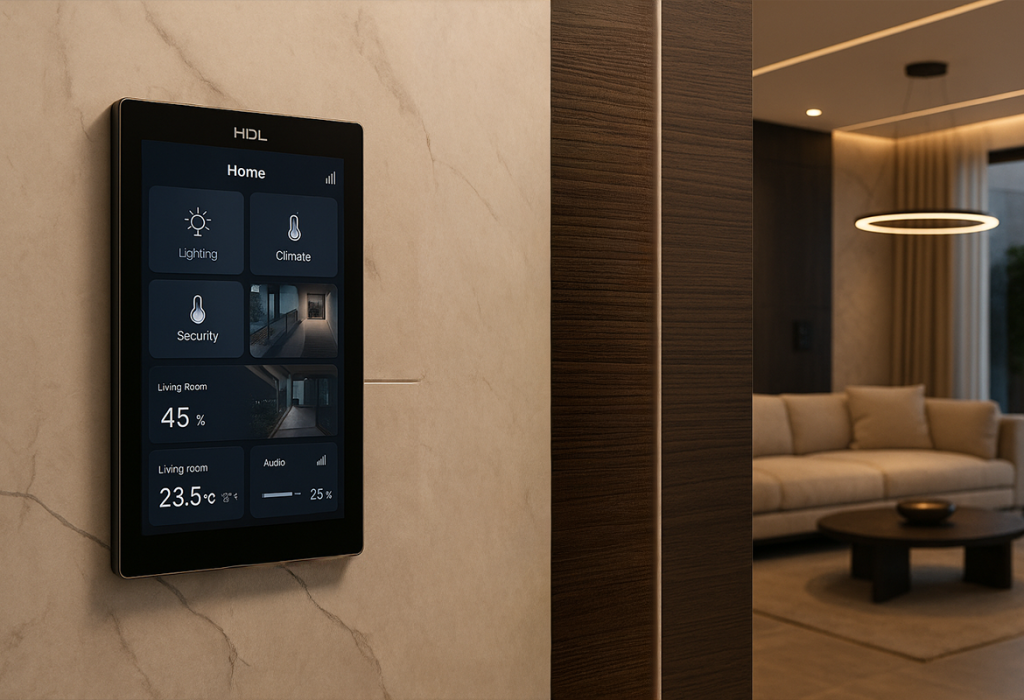
• Centralized Control: With HDL, control is typically managed through dedicated wall panels, touchscreens, providing a highly integrated and reliable user experience.
• Scalability: Designed for scalability, HDL can manage everything from a single room to an entire multi-story building, making it a future-proof investment for comprehensive automation.
Aqara: The Accessible, Wireless, and User-Friendly Ecosystem
Aqara, on the other hand, excels in providing user-friendly, wireless, and affordable smart home devices that are easy to install and expand. It’s a popular choice for homeowners looking to start their smart home journey, enhance existing homes, or focus on specific areas like security, comfort, and energy management.
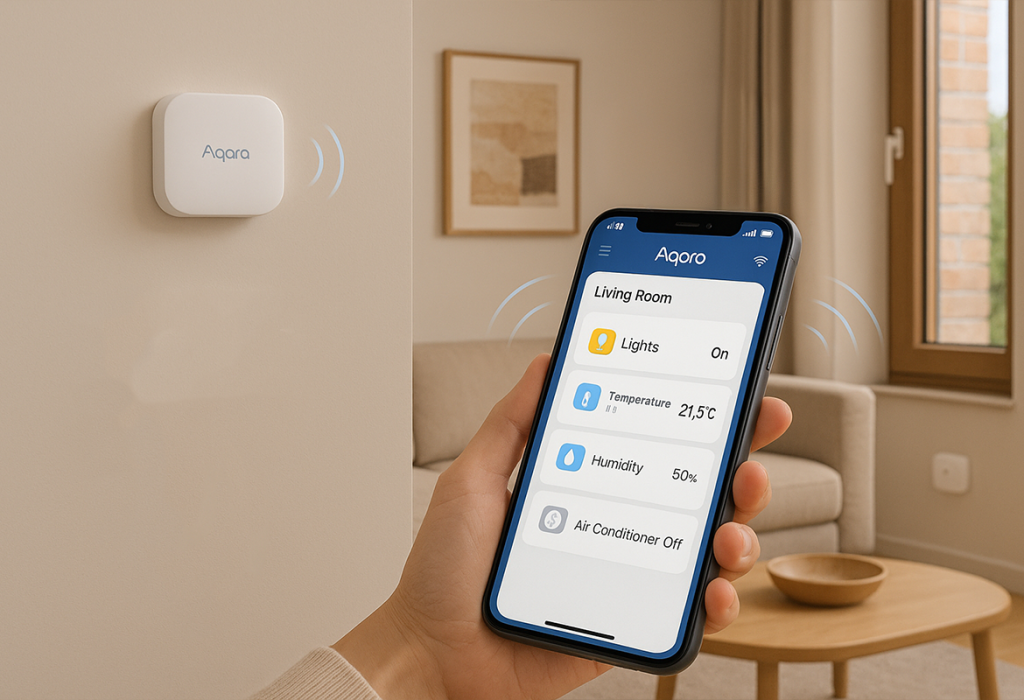
• Wireless Flexibility: Aqara primarily uses Zigbee, a low-power wireless protocol, making its devices easy to install without extensive wiring. This is perfect for renters, existing homes, or those who prefer DIY installation.
• Modular and Expandable: You can start with a few devices (e.g., a hub and a sensor) and gradually add more as your needs evolve.
• Broad Compatibility: Aqara devices are known for their wide compatibility with major smart home ecosystems like Apple HomeKit, Google Home, and Amazon Alexa, offering flexibility in how you control your home.
• Focus on Everyday Convenience: Aqara’s strength lies in simplifying daily tasks – from smart lighting and climate control to security sensors and smart plugs – all managed through an intuitive app.
Which is the Right Choice for You?
The “best” system depends entirely on your specific needs, budget, and project scope:
• Choose HDL if: You are building a new home, undertaking a major renovation, require a highly integrated and robust system for a large property or commercial space, and prioritize ultimate reliability and deep customization. You are comfortable with a higher initial investment for a professional-grade solution.
• Choose Aqara if: You want to start your smart home journey with an accessible and affordable system, prefer wireless installation, need flexibility to expand over time, or want seamless integration with popular voice assistants and smart home platforms. It’s ideal for enhancing an existing home or focusing on specific smart functionalities.
Ultimately, both HDL and Aqara offer excellent ways to bring smart living into your space. The key is to align their strengths with your vision for a connected home.
📞 For a free consultation, get in touch with us today and let our experts guide you to the right solution for your home.